Industrial
Tracing Systems
Thermostatic valves control steam and glycol tracing to protect piping and equipment from freezing and maintain required process temperatures.
View ProductsTemperature Control for Industrial Heat Trace Systems
Industrial heat tracing systems use a heated medium to replace heat lost from piping, instrumentation, and equipment to surrounding conditions.
Steam and heated glycol are commonly used as tracing media throughout industrial facilities. Without temperature-based control, these systems can continue supplying heat when conditions no longer require it, increasing steam consumption, heating demand, or glycol circulation.
Thermostatic heat tracing control responds directly to changing thermal conditions without external power, sensors, or electronic controls. Heating media flows when additional heat is required and is reduced as the required temperature is reached. This allows individual tracing circuits to respond automatically to ambient, pipe, process, or return-fluid temperature rather than relying on constant flow or manual adjustment.
Steam Tracing Control
Steam tracing is one of the most common forms of industrial pipe tracing used for freeze protection and process temperature maintenance. Steam has a high latent heat, making it an effective heating medium, and unlike electric heat tracing, it does not introduce an electrical spark source.
These systems typically use a facility’s existing steam supply to transfer heat to piping, instrumentation, and equipment. In many plants, trace circuits are activated at the beginning of the cold season and left operating until spring. Because outdoor and process conditions change, continuous flow can provide more heat than the system requires and increase consumption.
Thermostatic steam tracing control regulates heating media according to actual thermal conditions. Depending on the application, control can respond to ambient conditions or the temperature of the traced pipe or process.
As temperature falls, steam is supplied to the tracing circuit. Once the required set point is reached, flow is reduced or shut off. This allows the system to maintain operating conditions while reducing unnecessary steam use and dependence on manual winterization procedures.
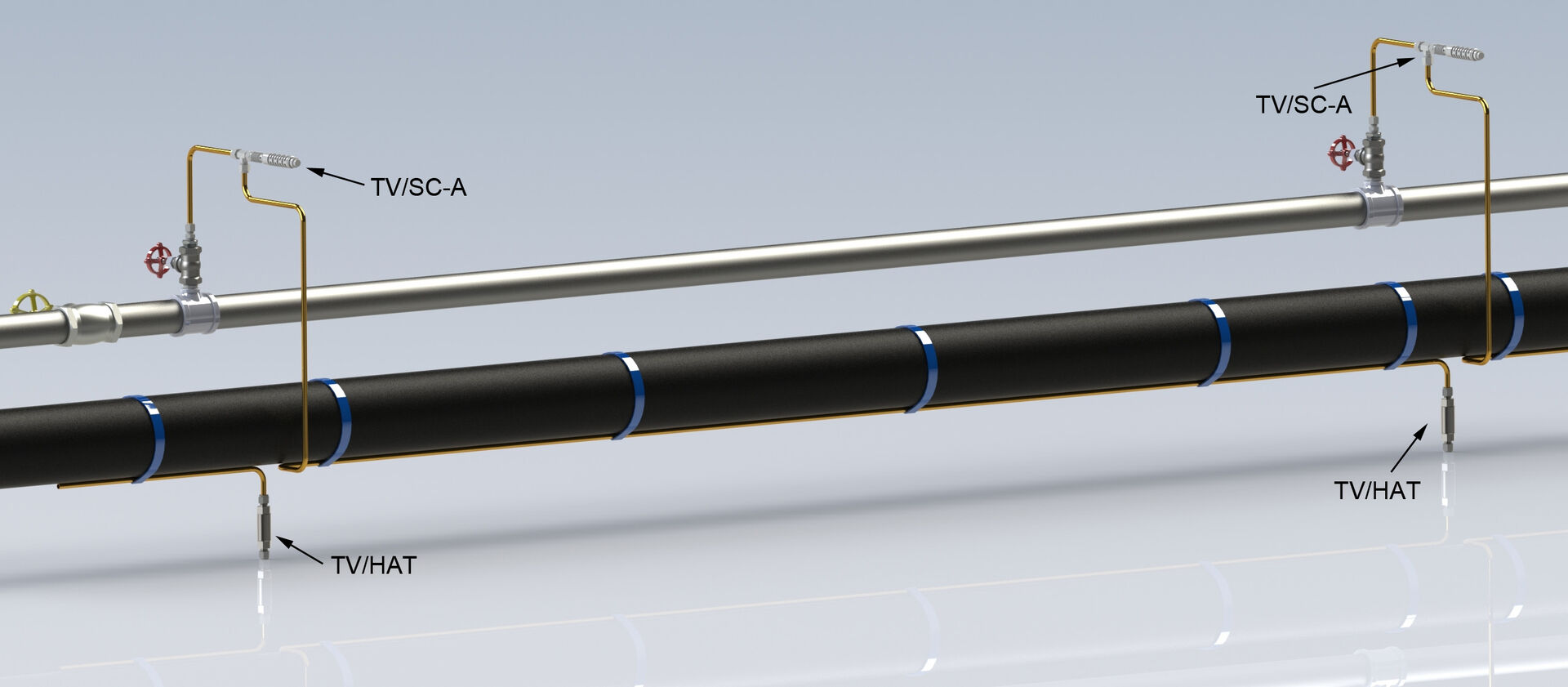
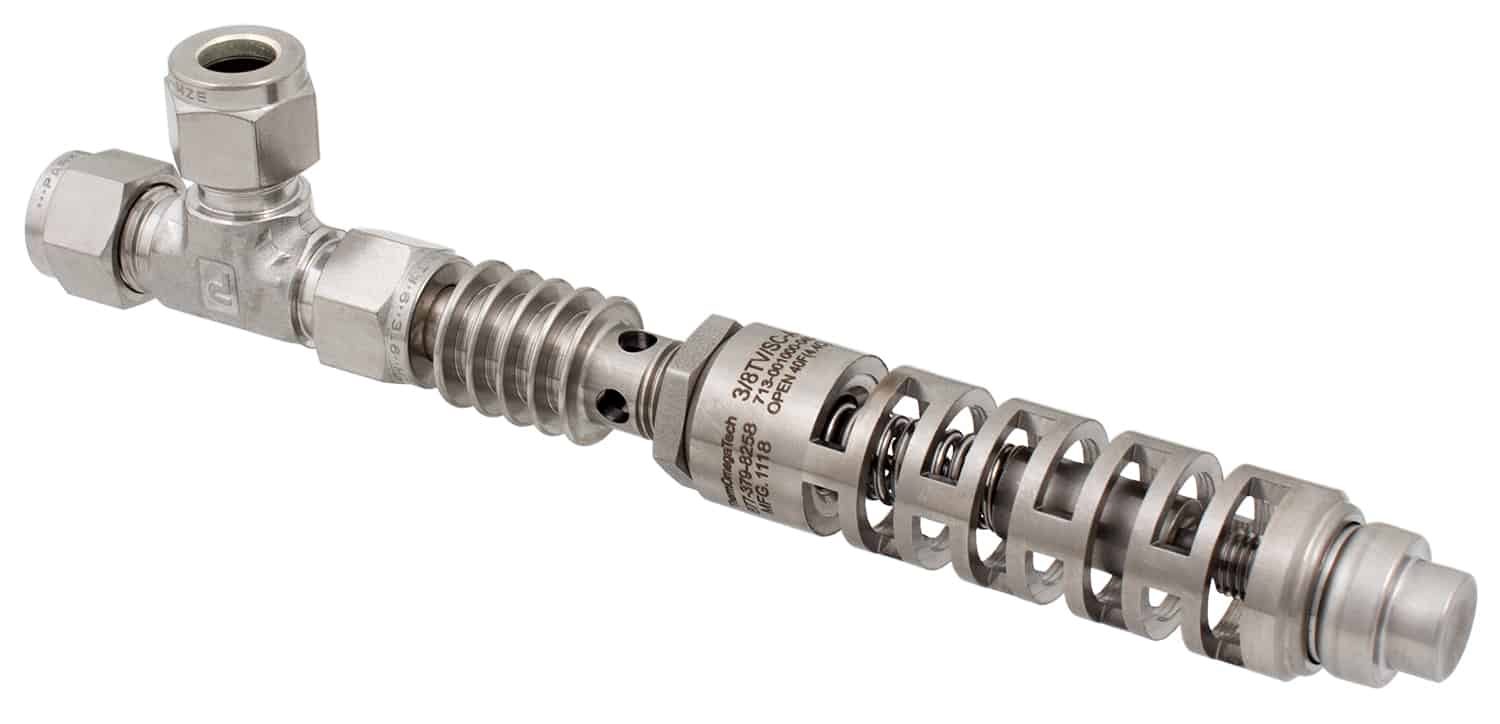
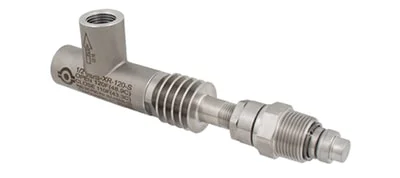
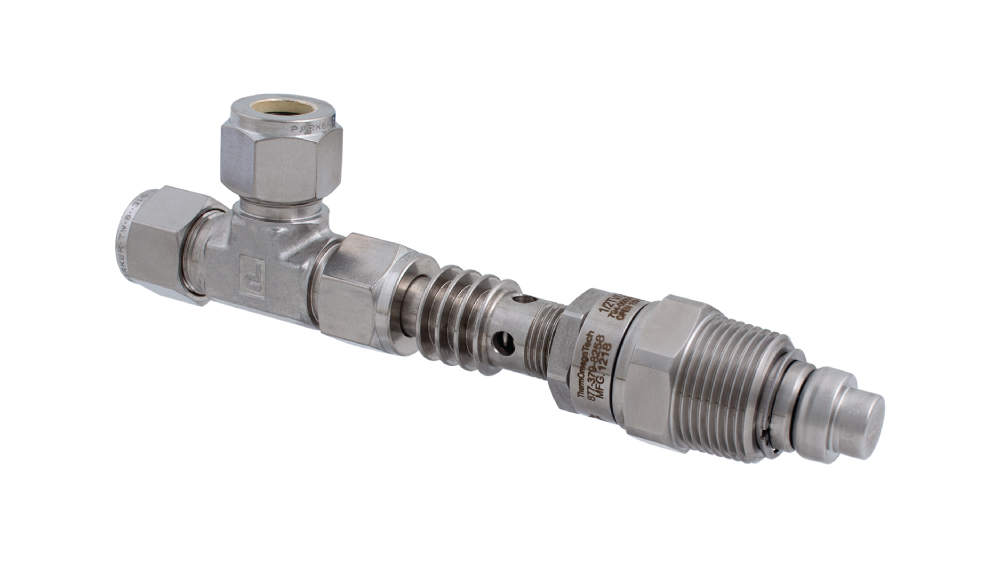
ThermOmegaTech® TV/SC-A and US/A valves provide ambient-sensing control, while US/S-X and TV/US-X valves regulate heating media based on pipe-surface or process temperature.
Glycol Tracing Control
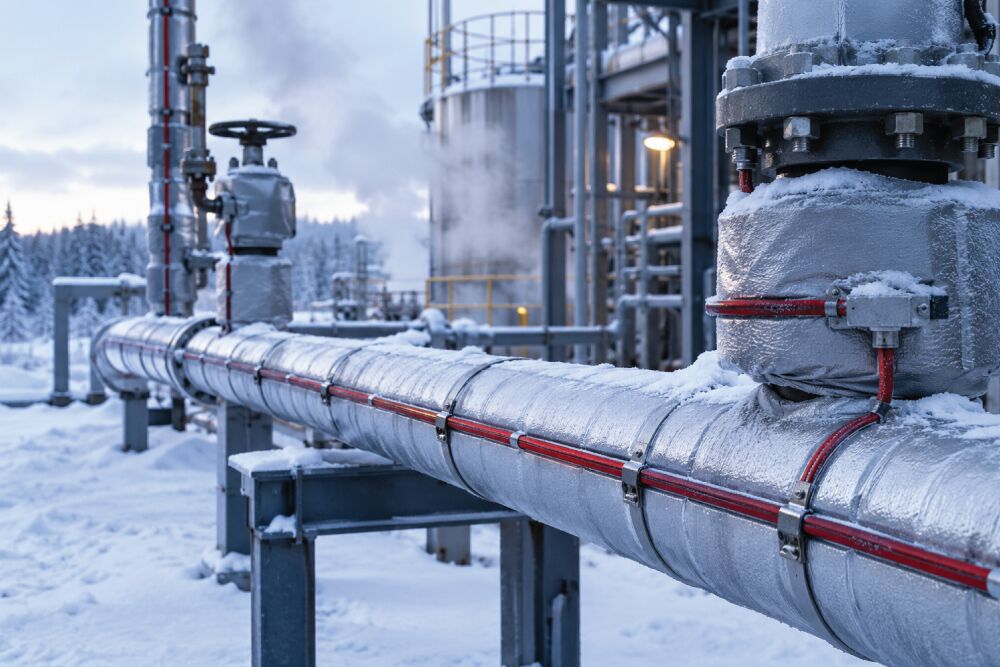
Glycol heat tracing is used to protect piping, boilers, pumps, instrumentation, and other industrial plant equipment from freezing and to maintain required process temperatures. These systems use a closed-loop circulation system containing heated glycol. The glycol transfers heat to the traced piping or equipment, then returns to the heating system for reheating and recirculation.
Glycol tracing is commonly used as part of winterization systems at oil and gas refineries to protect process lines and equipment during cold-weather operation. Without proper glycol tracing control, heated glycol can continue circulating at a higher flow rate than thermal conditions require. This increases pumping and heating demand and can add significant operating cost across systems with multiple tracing circuits.
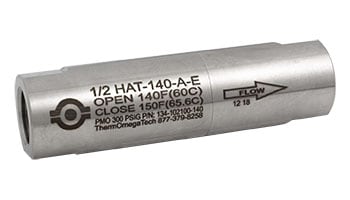
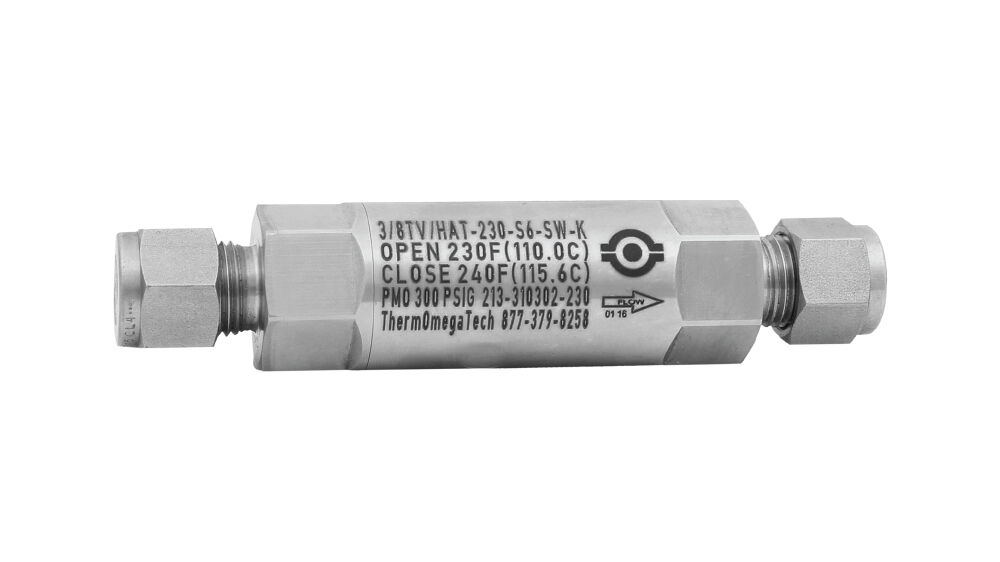
ThermOmegaTech® HAT and TV/HAT valves regulate glycol flow at the end of the trace circuit based on return-fluid temperature. As the return fluid cools, flow increases to provide additional heat to the traced line. As it warms, flow is reduced.
This allows each circuit to respond to its actual thermal load, maintaining freeze protection or the required process temperature while reducing unnecessary glycol circulation and heating.
How It’s Used
Common Industrial Applications
Process piping
Maintains fluids at temperatures needed to control viscosity and prevent crystallization or solidification.
Water and utility lines
Protects exposed piping from freezing during cold-weather operation.
Instrument, sample, and analyzer systems
Protects small-bore tubing and instrumentation where low temperatures can interfere with sampling, measurement, or operation.
Plant equipment
Provides heat to valves, pumps, tanks, vessels, and associated connections that contain fluids or are exposed to low ambient temperatures.
Condensate Control for Steam Trace Lines
As steam transfers heat through a tracing circuit, it condenses and must be removed so flow can continue through the trace line and transfer heat effectively. Accumulated condensate can reduce available heat-transfer area and heating performance. It can also contribute to corrosion, water hammer, and other operating problems.
Conventional steam traps can lose approximately 2 lb/hr to more than 5 lb/hr of live steam, with losses increasing as the trap wears over time.
ThermOmegaTech® HAT and TV/HAT valves can be applied as thermostatic steam traps for condensate control to reduce live steam loss and associated operating costs. As condensate cools below the valve’s set point, it opens to discharge it. When higher-temperature condensate reaches the valve, it closes to prevent live steam from passing through the trap.
This temperature-based operation removes condensate from the tracing circuit while reducing unnecessary losses and overall steam consumption.
Related Products
Application Support
ThermOmegaTech® thermostatic valves provide self-actuating control for steam and glycol tracing systems used for freeze protection, winterization, and process temperature maintenance.
Our team can help determine the appropriate sensing method, set point, and valve configuration based on your tracing media and operating conditions.